Sign in. It’s quick, free and it’s up to you.
An account is an optional way to support the work we do. Find out more.
Sign in. It’s quick, free and it’s up to you.
An account is an optional way to support the work we do. Find out more.
BOARDED-UP HOUSES and crumbling buildings are a common feature of towns and cities across Ireland.
Derelict buildings contribute significantly to Ireland’s housing crisis, and bringing them back into use is one of the Government’s aims for addressing social housing shortfalls and to get more homes on the market.
Under laws introduced in 1990, every local council keeps a Derelict Sites Register to encourage owners to bring vacant houses and land into use through the imposition of an annual levy of 7% of the property’s market value, which applies until the site is no longer derelict.
When someone objects to a local authority’s attempt to obtain a property via the Compulsory Purchase Order process, the council can make an application to An Bord Pleanála to do so.
The Housing Act also allows local authorities to acquire vacant homes via CPO, which they also must apply to do via An Bord Pleanála.
The process is similar to making a planning application, and the board weighs up submissions from the council and the owner of the land before deciding whether a site can be subject to a CPO.
The number of properties that councils try to CPO every month is relatively small.
The Journal has been keeping track of the vacant and derelict properties that councils have sought to acquire, and previously wrote about how four local authorities applied to the board to CPO six different properties in April.
Last month, three local authorities applied to the board to CPO three different properties around Ireland.
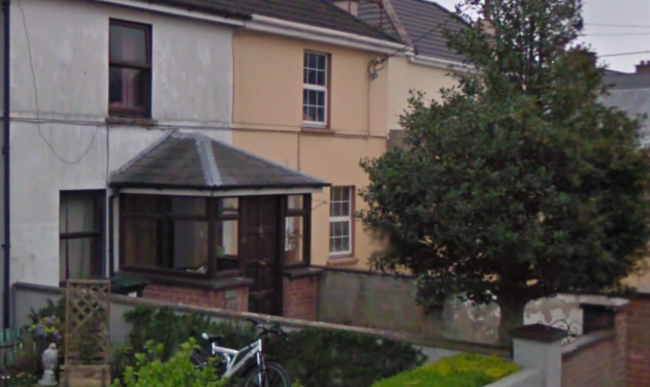
Waterford City and County Council applied to have a derelict site, known as Holly Tree House on Keating Street in Dungarvan, vested on 23 May.
The slender terraced house was last photographed on Google Street View in 2009, when it had a large tree in its front garden (possibly indicating where its name comes from).
There is little other information available about it online: no planning files are associated with the address (aside from attempts to CPO it) and it does not appear to have ever been listed for sale online.
The case is due to be decided by An Bord Pleanála by 1 September.
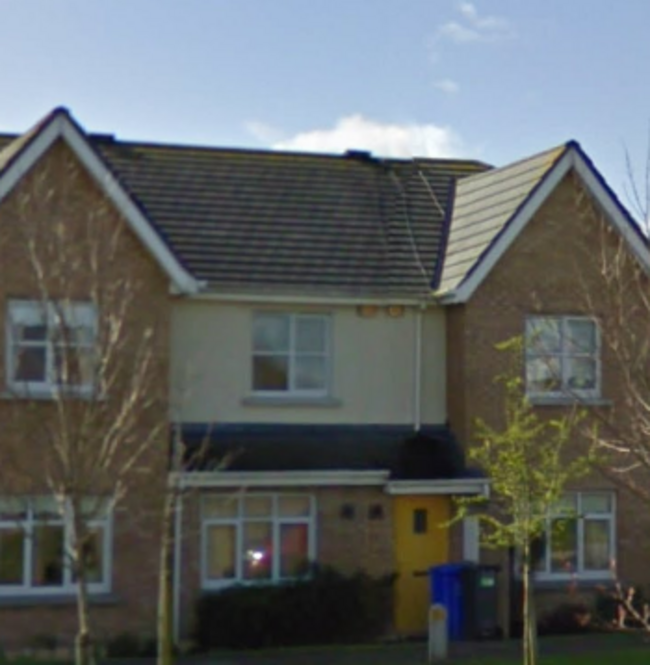
Meath County Council applied to acquire a vacant property at Eastham Court in Bettystown under the Housing Act on 8 May.
The property, situated between two other houses, appears to be in good condition but does not have any occupiers or tenants known to the council. It is part of an estate that was built in the early 2000s.
It has never been listed as sold on the Property Price Register and there are no planning applications associated with the property.
The council issued a newspaper notice at the end of April, saying that it wanted to CPO the house and use it for social housing.
An Bord Pleanála is due to decide the case by the end of October.
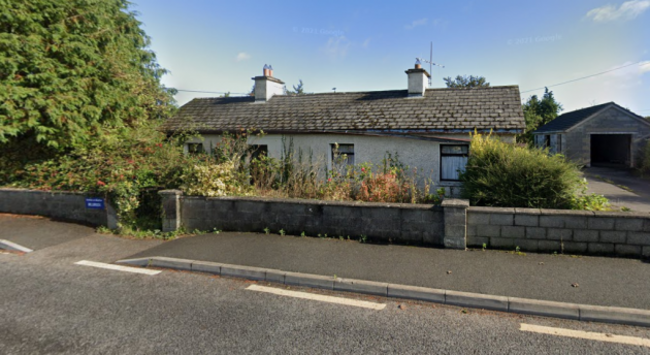
Kildare County Council applied to acquire a vacant property at Millbrook in Rathangan under the Housing Act on 26 May.
The small cottage was deemed by the council in April to be “unfit for human habitation” and incapable of being rendered fit for use at a “reasonable expense”.
The council also said at the time that any owners, occupiers or lessors of the property are not known.
A planning application submitted in 2008, which was granted permission the following year, proposed demolishing the cottage and replacing it with a three-bedroom dormer and a four-bedroom bungalow on the site.
The council’s intended use for the property is not stated; however, under a renewal plan for Rathangan published last October, the local authority said it would seek to bring vacant buildings into use as housing and tourist accommodation, and incentivise the re-use of vacant buildings.

To embed this post, copy the code below on your site










have your say